
Home › Applications
The vibratory finishing process comprises several stages, each with specific objectives in terms of surface finish: the mechanical stages, in which abrasives and ceramic polishes are the main agents, and the chemical stages, which involve the use of chemicals from the range.
From deburring to vibratory polishing, the choice of insert depends on the desired result: our catalogue classifies each product code according to its abrasive, smoothing or polishing action.
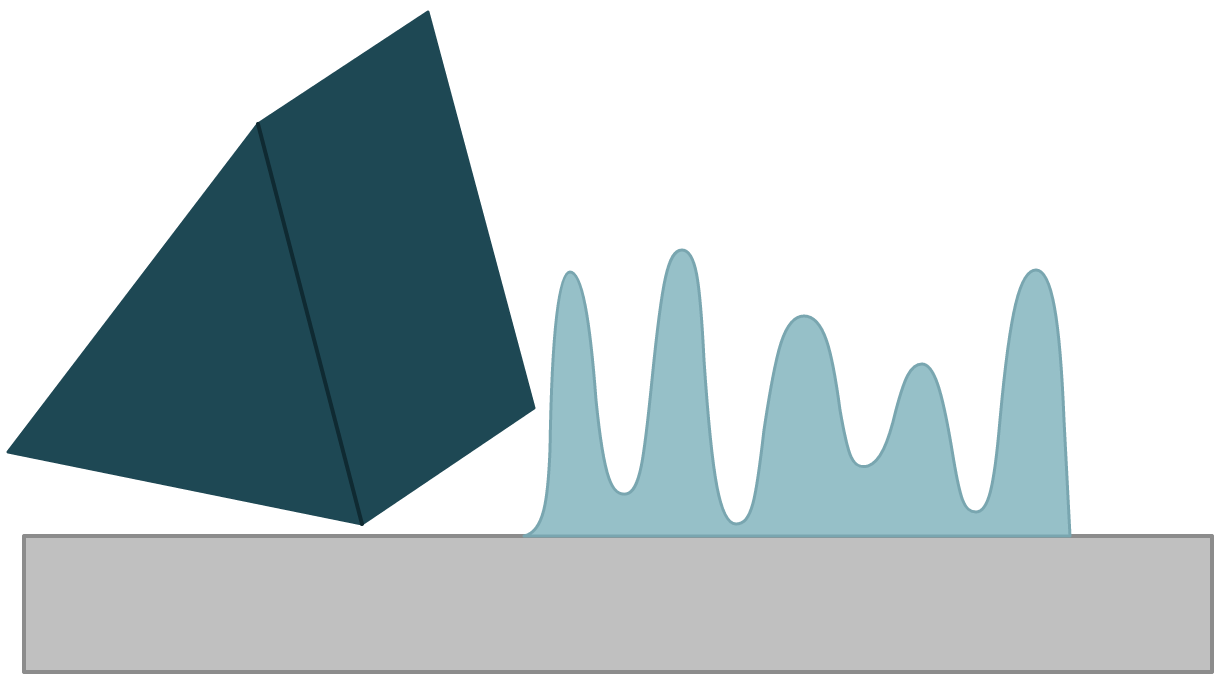
Deburring removes the burrs produced during cutting, stamping and casting processes.
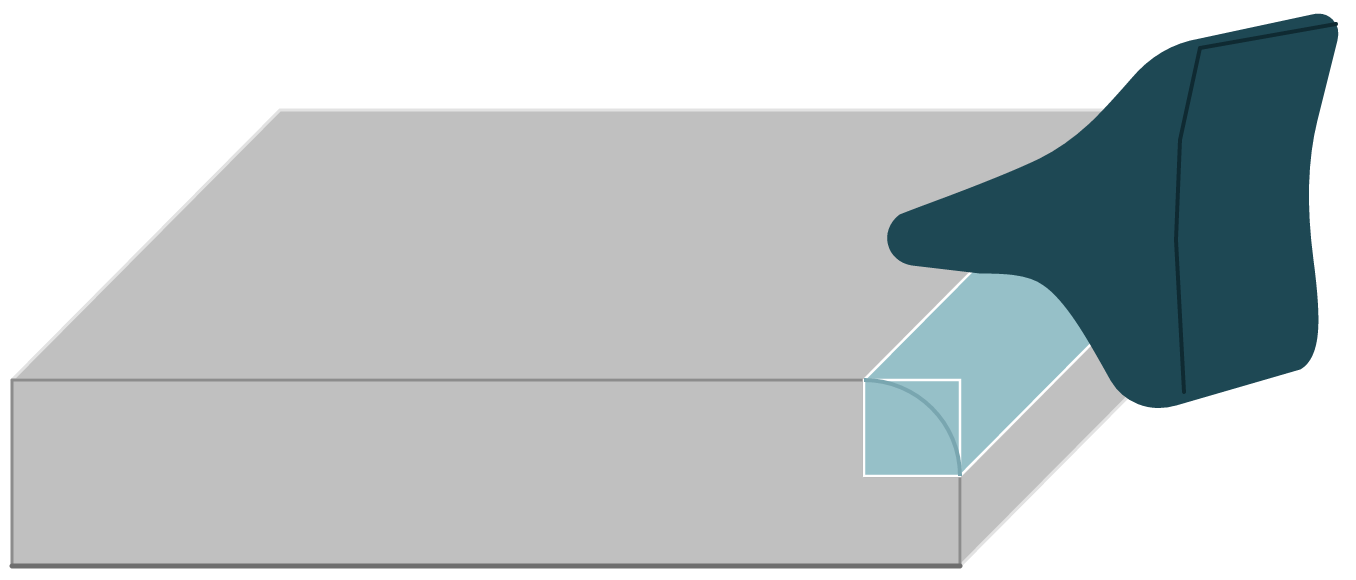
Radiusing allows burrs, sharp edges and corners to be rounded off and smoothed, resulting in smoother edges on the machined parts.
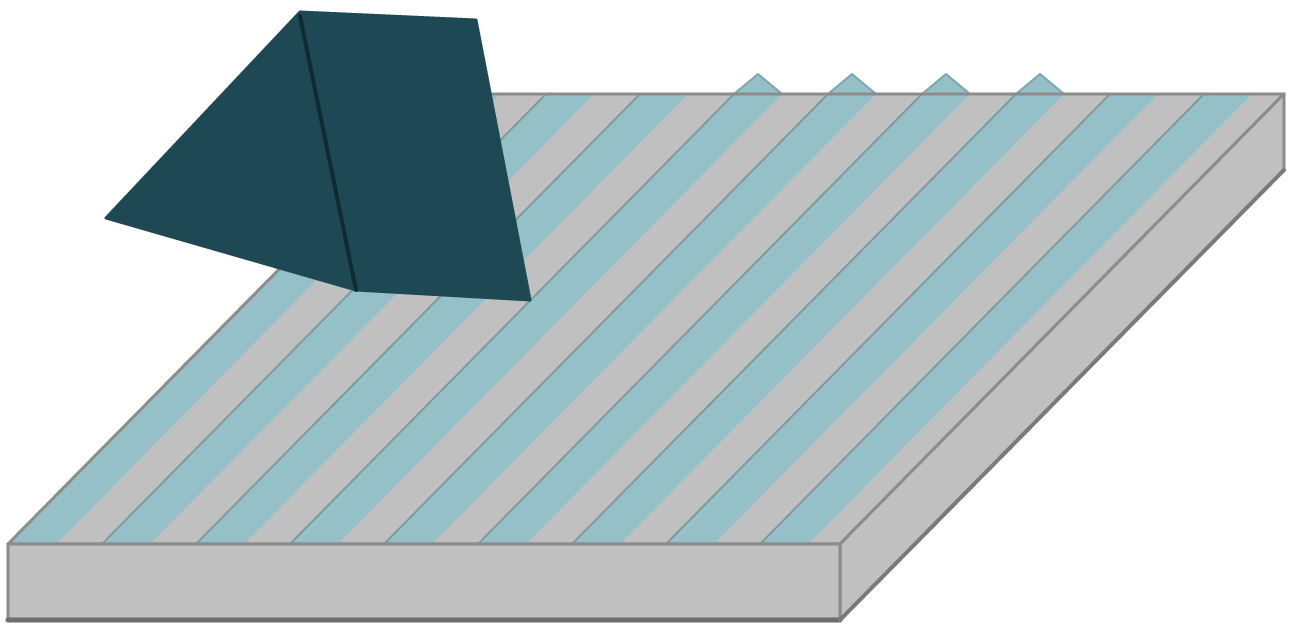
Smoothing is a stage in the vibratory finishing process aimed at improving the surface roughness of components.
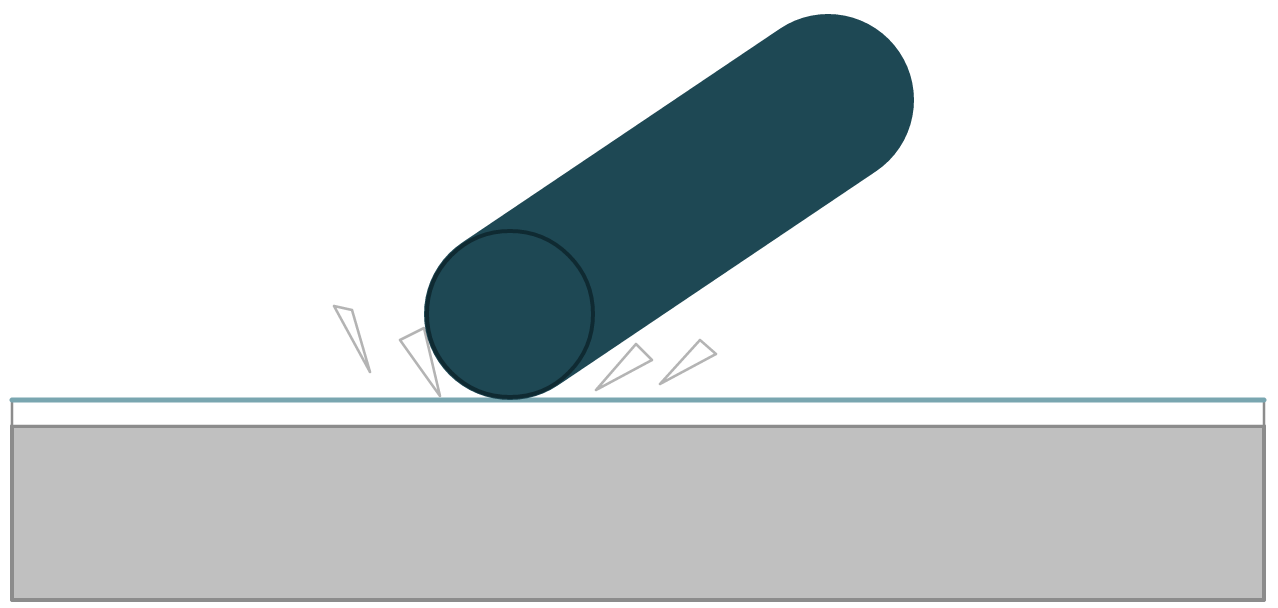
Polishing, or vibratory polishing, is a superfinishing process that produces brilliant surfaces with low surface roughness values.
CIMA ceramics can be processed using water alone. For those who require additives to improve the process, CIMA produces solutions for degreasing, brightening and surface protection, as well as pastes for vibratory polishing and chemical finishing.
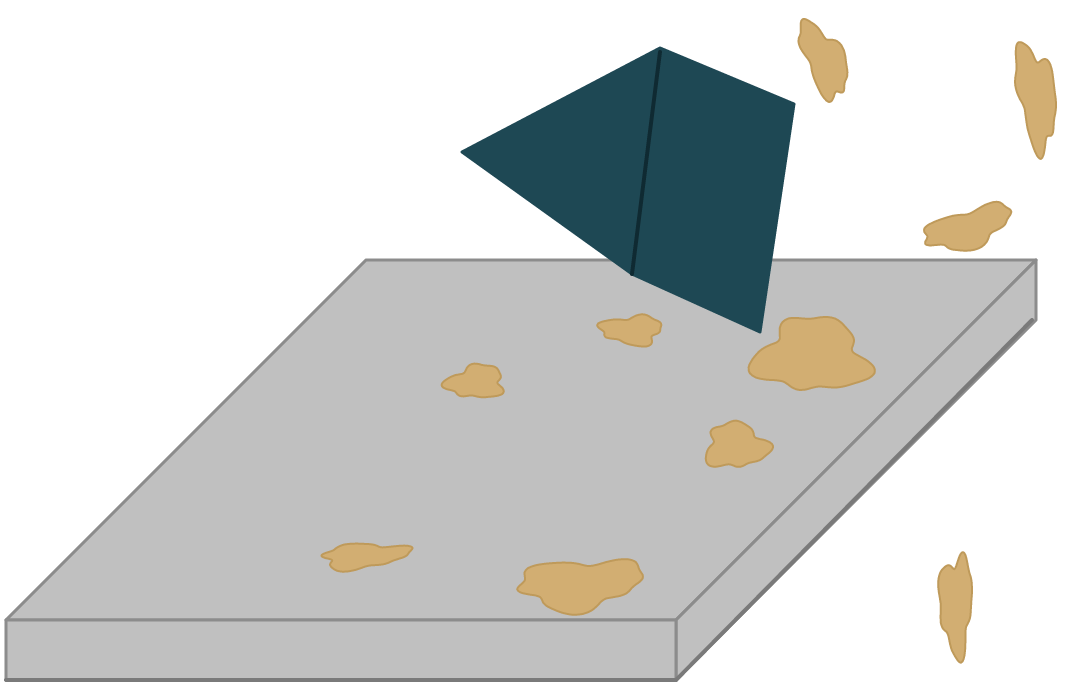
Degreasing is a chemical-ceramic process used to remove oils, greases and emulsions from the surfaces of workpieces.
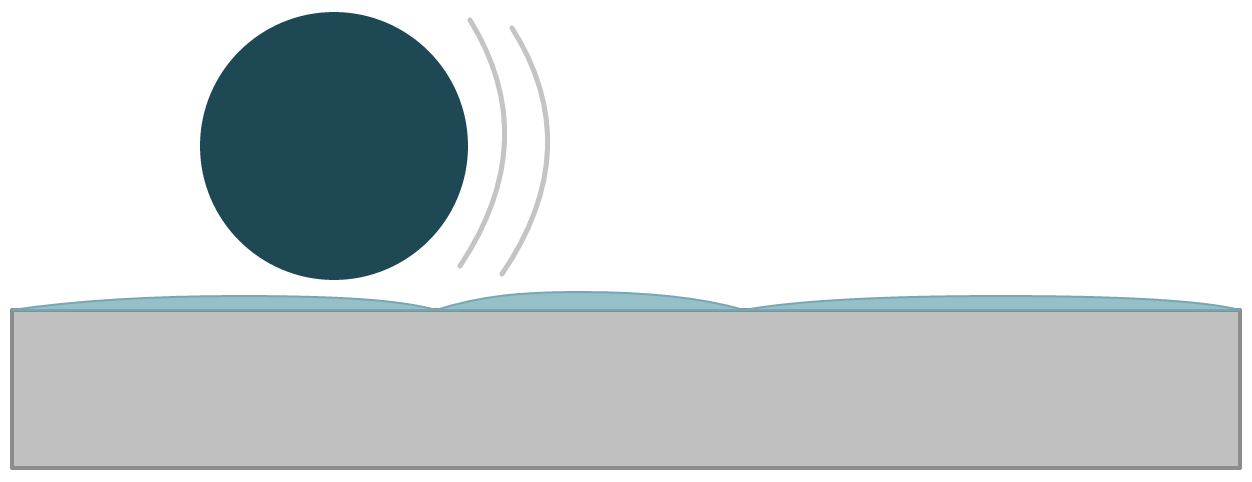
Ball burnishing uses porcelain or stainless steel balls to polish and degrease metal surfaces.
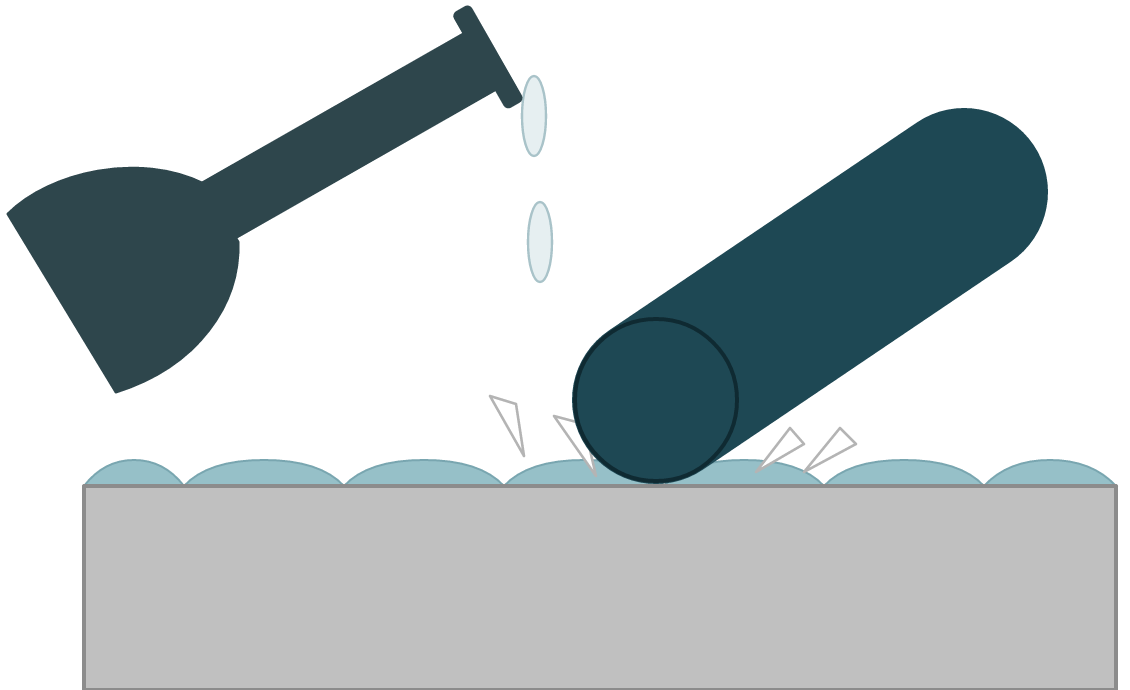
Chemical finishing enables smoothing and superfinishing processes to be carried out through the use of chemical accelerators.
The choice of abrasive or ceramic polish depends on the stage of the process and the desired surface finish.
To identify the most suitable product based on the material to be processed, the stage of the process and the required surface characteristics, you can contact CIMA directly for information and technical assistance.
CIMA’s technical staff are on hand to advise you on the solution best suited to your process, including through sample testing.